The Definitive Guide to Local Moving Services: Key Insights You Should Have
Moving can be one among the some of the difficult challenges in life, regardless of whether you're moving through town or just down the street. The task can be overwhelming, typically filled with a long to-do list, emotional stress, and organizational hurdles. This is the moment when local movers come into play, turning a daunting task into a manageable journey. However, not all moving companies are made equal, and understanding what to look for when hiring local movers can save you a lot of hassle.
In this ultimate guide to local movers, we will cover all the important information you need to know to make your move as hassle-free and effective as you can. From important questions to ask before hiring a moving company to essential tips for packing and preparing for moving day, our comprehensive approach will arm you with the knowledge to navigate your move easily. Whether you need help arranging your belongings, understanding the hidden costs of DIY moving versus hiring professionals, or finding ways to prepare your kids and pets, we’ve got you covered. Let’s dive into the world of local movers and make your next relocation a piece of cake.
Key Inquiries for Selecting a Local Mover
When choosing a moving company in your area, it's important to begin with concise as well as to-the-point questions that can help you assess their dependability and expertise. Inquire about their licenses and coverage, as these aspects are essential for ensuring that your items are protected throughout the move. Confirm the mover's credentials by requesting their Department of Transportation number and validating their insurance coverage. A legitimate moving company will have this data readily available and be willing to provide it with you.
Request about their experience with moves like to yours. Regional relocations can vary significantly, especially if you're moving from an unit, a home, or a commercial space. A service that specializes in local relocations and has a track record of managing various types of relocations will certainly have the skills needed to navigate any issues that may come up during the process. This includes knowing how to navigate tight spaces, handle large items, and follow any specific local laws or rules.
Finally, request for a comprehensive estimate of charges. It's essential to understand how they determine their charges, whether it's a fixed rate or an per hour charge, and what services are included. Ask for an list of items to ensure that all items will be included and any potential extra fees are disclosed upfront. A reputable mover should also be able to detail any additional costs for services such as packing, storage, or additional equipment.
Checklist for a Successful Local Move
Getting Ready for a smooth local move begins with thorough preparation and coordination. Begin by developing a moving timeline to list key milestones, including when to book your movers, pack your belongings, and handle utility transfers. A clear timeline aids avoid emergency chaos and ensures that all tasks are finished in a timely manner. Additionally, create an item list of your items, so you have a complete understanding of what you are moving and what can be removed.
Next, concentrate on packing. Gather quality packing supplies, such as boxes, bubble wrap, and packing tape, to safeguard your belongings during the move. Be virginia beach movers to label each box with its items and the specific room in your future home, which makes the unpacking process smoother. When packing delicate items, follow proper techniques to ensure they are secure, and prepare a “first night” box with essentials like toiletries, clothes, and important documents, so you have quick access when you get at your newly moved place.
Lastly, communicate effectively with your moving team and anyone helping you on moving day. Ensure your friends or family members know their specific tasks, whether it’s lifting box contents or organizing logistics. Make certain that your driveway and walkways are clear for the moving truck and that you have access to elevators or loading areas if necessary. This planning will not only keep things flowing smoothly but also reduce stress for everyone involved.
Comprehending Costs and Services of Regional Movers
When hiring local movers, it is essential to grasp how expenses are structured and the assistance offered. Many moving companies charge either an hourly rate or a set fee, contingent upon various factors such as the size of the move, distance, and the number of movers required. An hourly rate typically includes labor charges and can change based on the day of the week or the season. It's wise to request an estimate in advance and ask regarding any additional charges that may arise during the move.
Assistance available by regional movers can extend from fundamental labor support to full-service packing and unpacking. Some companies provide specialized services, such as disassembly and reassembly of furniture, packing of fragile items, or moving large appliances. Understanding the variety of assistance can aid you choose the best option for your needs, whether you want a budget-friendly approach or a more comprehensive service package.
Unexpected costs are often associated with DIY moving in contrast to hiring professionals. When moving on your own, expenses can pile up from rental trucks, gas, packing supplies, and even potential damage to your belongings or property. Additionally, regional movers may offer insurance options to protect your items during transit, which is not always the case when you move by yourself. It’s imperative to consider these factors when making your decision to ensure a cost-effective and stress-free moving experience.
Tips for Packing and Protecting Your Belongings
When for a short-distance move, adequate packing is essential to ensure that your belongings arrive at your new home in excellent condition. Begin by collecting top-notch packing materials, including sturdy boxes, bubble wrap, packing paper, and tape. Use compact boxes for heavier items and larger ones for less heavy objects to make lifting simpler. Spend the time to label each box with its items and the area it belongs in, which will ease the unpacking task later.
For fragile items, extra caution is necessary. Wrap each delicate piece individually in bubble wrap or packing paper, and be certain to fill any empty space in the box with more protective material. This helps cushion shock during transport. Additionally, store your delicate items upright whenever it's possible and consider using dish pack boxes for valuables like glassware and dishes. Always thoroughly check that all items are safe before sealing the boxes.
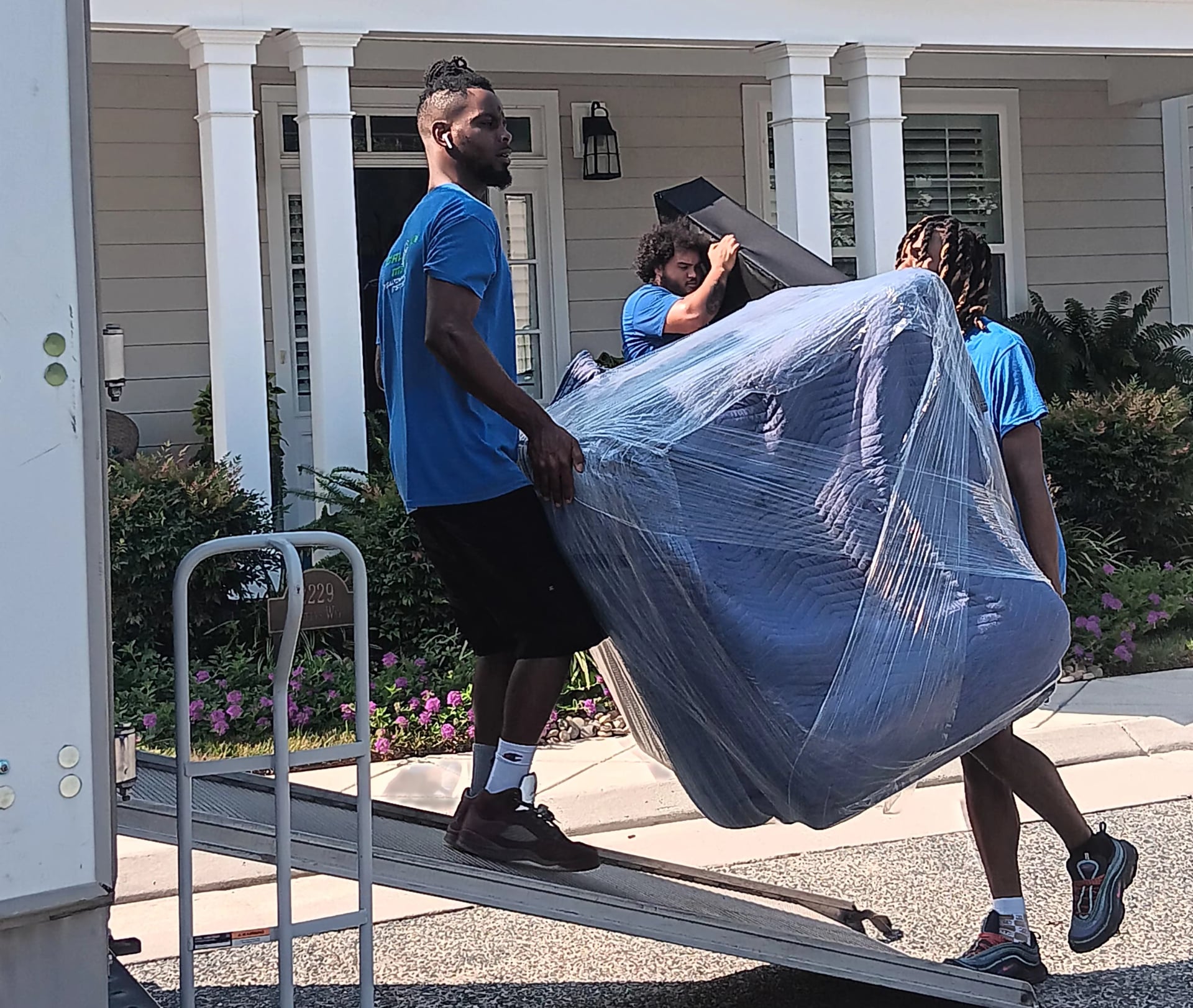
Finally, don’t overlook to protect your bulkier belongings during the move. Use moving blankets and furniture pads to guard couches, chairs, and other larger pieces from scratches and dents. When it comes to items like mirrors and artwork, consider using tailored boxes or at least a generous amount of bubble wrap and cardboard for support. Taking these precautions will help ensure a smooth transition to your fresh space while keeping your belongings secure.